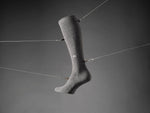
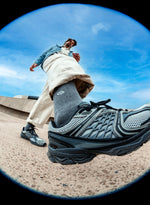
Sweaty feet are usually a comfort and hygiene problem, not a medical one. Solid hygiene, shoe rotation, the right socks, and antiperspirant cover it for most people. Socks are the piece most people overlook: the difference between a dry foot and a soaked one often comes down to the fiber you pull on in the morning.
Browse merino, sports, and everyday socks, all built for moisture management and breathability.

Shoes that need retiring after a month. Socks damp by lunch. That moment of hesitation before kicking off your sneakers at someone else's place. Sweaty feet are common enough to be boring and persistent enough to stay annoying. Your feet carry around 250,000 sweat glands, which is more per square centimeter than nearly any other part of your body.
Good news: this is almost always a solvable problem. Here's what drives sweaty feet, what makes the smell, and what actually changes things.
The basics
Sweating is how your body cools itself. With sweaty feet, the glands down there produce more sweat than the job needs. Combine that with a warm shoe and limited airflow, and you've got an environment where bacteria and fungi are very comfortable.
Why the smell
Sweat itself doesn't smell. It's 99% water. The classic foot smell comes from bacteria (mainly Brevibacterium) that thrive in the warm, damp conditions of a closed shoe. They feed on dead skin cells and sweat components, and the waste products they leave behind (including butyric acid) are what you actually pick up.
Keep the moisture down and the bacteria don't stand a chance. Smell fades with them.
What drives it
- Genetics. Some people just have more active sweat glands.
- Hormonal shifts. Puberty, menstruation, pregnancy, menopause.
- Stress. Your sweat response kicks in at the worst possible moments.
- The wrong shoes. Synthetic uppers trap moisture.
- The wrong socks. Synthetic blends that don't wick moisture make the whole problem worse.
- Heat and activity. Obvious, but easy to underestimate.
- Diet. Spicy food, caffeine, and alcohol push sweat output up.
- Medical conditions. Thyroid issues, diabetes, or hyperhidrosis can all be involved.
What actually works
1. Wash daily, dry properly
Lukewarm water, mild soap, once or twice a day. Dry thoroughly, especially between the toes, where fungus and bacteria love to settle. Keep toenails short. Remove calluses regularly: dead skin is bacteria food.
2. Rotate shoes
Shoes need 24 hours to dry out properly. One pair every day never gets the chance. Two pairs in rotation is one of the cheapest upgrades you can make.
3. Get the socks right
This is the underrated one. Synthetic socks trap moisture against the skin. Cotton soaks it up but holds onto it and takes forever to dry. Merino wool and technical blends move moisture off your skin, regulate temperature, and are naturally antibacterial.
Our merino socks pair merino wool with a knit structure that wicks and breathes. For training, our sports socks have moisture-wicking fibers and ventilation zones where your feet sweat most. For office, city and everything in between, check everyday socks.
4. Let your feet breathe
Barefoot or slippers at home. Sandals in summer. The more air reaches your feet, the less bacteria get comfortable.
5. Try antiperspirant
Works on soles the same way it works under your arms. Dedicated foot sprays exist, but a regular antiperspirant spray or stick works fine. Apply to dry feet, ideally in the evening. That's when it blocks sweat glands most effectively.
6. Occasional foot soaks
Ten to fifteen minutes in lukewarm water with a few drops of tea tree oil or a splash of apple cider vinegar hits both bacteria and smell. Don't overdo it. Daily or too-long soaks dry out the skin and backfire.
7. Know when shoes are finished
Leather breathes better than synthetic. Leather or bamboo insoles absorb moisture. And some pairs hit a point where the bacteria have settled in for good. Let them go.
When to see a doctor
Rarely needed, but sometimes yes. Get checked if:
- Your feet sweat so much it disrupts daily life (hyperhidrosis)
- You keep getting fungal infections or thickened toenails
- Skin breaks down or bleeds from the moisture
- It started suddenly without an obvious cause
- You have diabetes, since wet feet raise infection risk
For serious hyperhidrosis, there are medical options, from prescription antiperspirants to iontophoresis and Botox.